Mastering Email Etiquette: When to Use Reply All vs. Reply
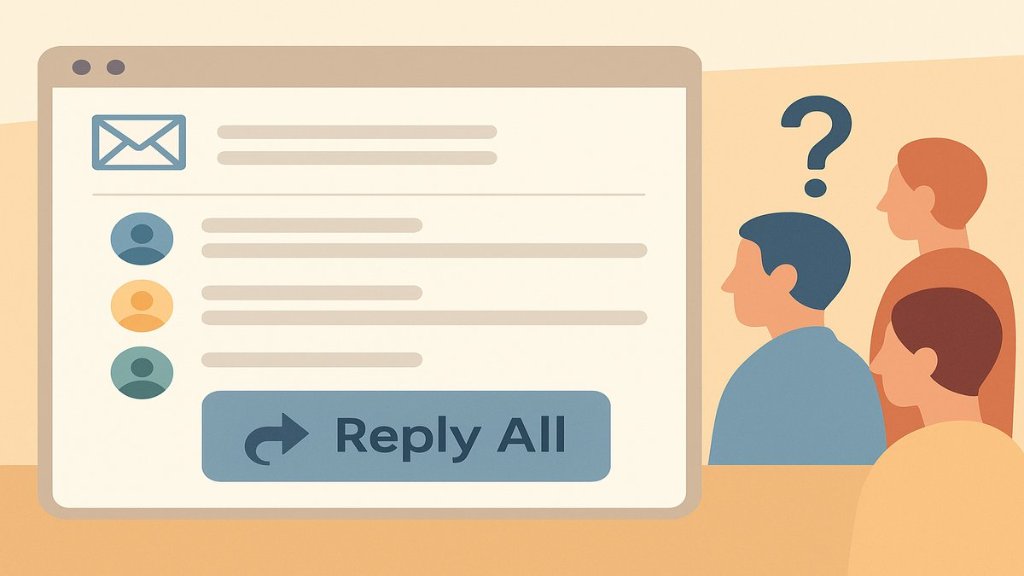
Digital clutter is one of the most significant productivity killers in the modern workplace. We have all experienced the notification fatigue that comes from an endless email thread where thirty people are weighing in on a topic that only concerns three. Mastering the distinction between hitting reply and reply all is a fundamental skill for any professional looking to maintain a reputation for efficiency and respect. When you click send, you are either adding value to the conversation or adding noise to an already busy inbox. The difference often determines whether your colleagues view you as a collaborator or a distraction. ## The Golden Rule of Communication Before you hit reply all, stop and pause. Ask yourself if every single person on the recipient list actually needs to read your response. If you are providing a status update that impacts the entire project team, then reply all is appropriate. However, if you are merely confirming receipt or offering a quick comment that only the original sender needs to know, you should default to a standard reply. Being selective with your communication shows that you respect the time and focus of your teammates. ## When Reply All Is the Right Choice There are specific scenarios where keeping everyone in the loop is not just polite but necessary. If you are working on a group project and the thread is the primary source of truth for updates, keeping everyone on the same page is vital. Use reply all if your contribution provides information that every recipient must act upon. For example, if you are scheduling a client call and need all stakeholders to confirm their availability, a group response prevents fragmented communication. It also helps when you are closing out a request. A simple, professional note saying that a task is complete and thanking the team helps everyone understand that the matter is resolved, which allows them to close their mental tabs on that project. ## When to Stick to a Private Reply Often, the urge to reply all stems from a desire to be seen or to chime in on a conversation. Resist this. Avoid reply all if your message is a thank you, a minor acknowledgement, or a follow-up question that only requires the sender's input. If you need to offer constructive criticism or address a sensitive issue, doing so in front of twenty other people is unprofessional and potentially damaging to your working relationships. In these cases, take the conversation offline by emailing the sender individually. If you find yourself in a thread where you realize you were included by mistake, do not reply all to ask why you are there. Simply contact the sender privately to request removal. ## Practical Email Templates Use these templates to ensure your communication remains clear and professional. If you need to address a specific point without looping in the group, use this approach: Hello [Name], I have a quick question regarding your recent update that I would like to discuss with you directly. Let me know when you have a moment. If you are confirming a group task, try this: Thanks everyone for the update. I have received the files and will have the draft ready for the team to review by Thursday. ## Frequently Asked Questions ### Is it ever okay to apologize for hitting Reply All? Yes. If you accidentally broadcast a private message to a large group, send a brief, sincere follow-up immediately. Keep it short and avoid making it a bigger issue than it is. ### Should I use BCC for group emails? Absolutely. If you are sending an email to a large group where the recipients do not know each other, use the BCC field. This protects their personal contact information and prevents the Reply All disaster from happening in the first place. ### Does email etiquette change for remote teams? Remote teams rely heavily on written communication, which makes etiquette even more important. Because you cannot rely on body language or tone of voice, clarity and brevity are essential to avoid misunderstandings in a busy thread.
Related Articles

Texting Etiquette in 2025: When to Reply and When to Wait
Learn the essentials of modern texting etiquette in 2025, from knowing when to reply to mastering the art of the delayed response for better clarity.
Spam & Unknown Text Messages: Should You Reply or Ignore?
Don't let scammers get the best of you. Learn why you should ignore spam texts and the best ways to handle messages from unknown numbers.
Need Help Crafting the Perfect Reply?
Use our AI tool to analyze any message and get instant advice on whether you should reply and exactly what to say.
Try with a Sample Message