Mastering Texting Etiquette in 2025: A Guide to Meaningful Communication
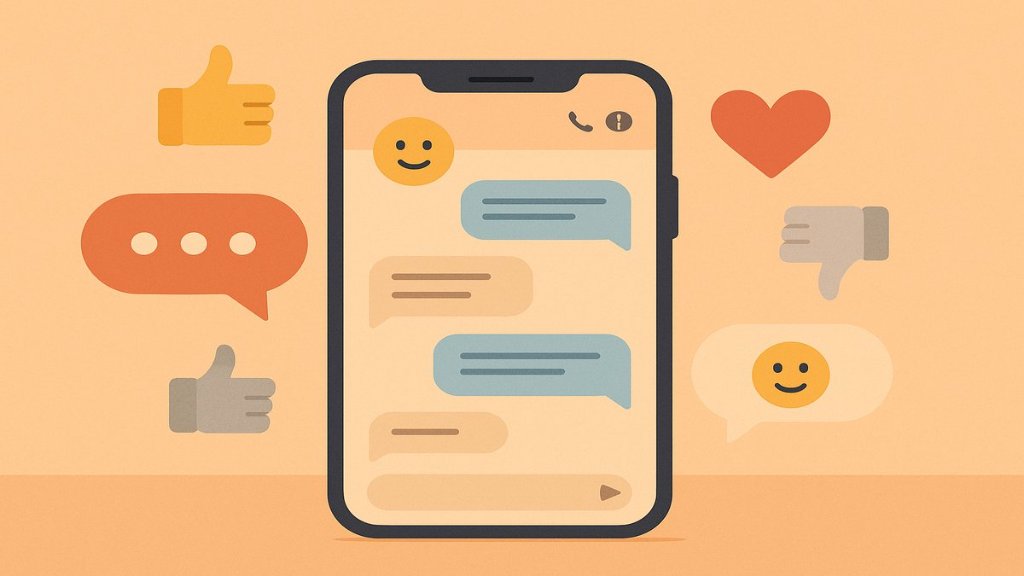
Text messaging has evolved into our primary mode of connection. While it offers unparalleled convenience, it simultaneously creates a landscape where misinterpretation is common. In an era of read receipts and ephemeral messaging, the pressure to be constantly available can feel overwhelming. Understanding the nuance of when to reply and when to wait is essential for maintaining healthy digital relationships. ## The Foundation of Digital Respect. Respecting the time and energy of others is the core of modern etiquette. Avoid sending non-urgent messages during late-night or early-morning hours. If you need to contact someone outside of standard business hours, provide them with an out by writing: -No rush on this, feel free to reply tomorrow.- When you receive a text, aim to acknowledge it within a few hours. Even if you cannot provide a full answer, a brief acknowledgment prevents the sender from feeling ignored. ## The Digital Echo Chamber and Emotional Regulation. Digital communication lacks the non-verbal cues that define human interaction, such as vocal inflection, eye contact, and body language. Because we rely entirely on text, we often project our own anxieties onto the words of others. If a friend takes four hours to respond, our internal dialogue might spiral into thinking we have caused offense. To combat this, practice emotional regulation before hitting send on a reactive reply. If you feel a surge of irritation due to a misinterpreted message, step away from your device for fifteen minutes. Returning with a clear mind allows you to choose words that build bridges rather than walls. Furthermore, be mindful of the -tone of text- you create. Short, punchy sentences can feel clipped or cold to a recipient who is already feeling insecure. Adding a polite softener or a warm emoji can transform a neutral request into a collaborative interaction, preventing unnecessary friction before it starts. ## Strategies for Clearer Conversations. Lengthy text chains are often the primary cause of frustration. Keep your messages concise to prevent loss of context. If a subject becomes complex, shift the medium. If you find yourself typing a wall of text, it is time to switch to a phone call. Use these tips to improve your text clarity: * Keep messages under three sentences when possible. * Avoid back-to-back texts that fragment your thoughts. * Use emojis to clarify tone but avoid using them as a substitute for actual words. * Save serious news or deep emotional discussions for face-to-face meetings. ## Navigating Group Chat Dynamics. Group chats present a unique set of challenges in 2025, often acting as a high-pressure environment where social obligations can feel amplified. In these spaces, the -notification fatigue- is real. It is perfectly acceptable to mute a group conversation if the volume of messages becomes distracting to your daily workflow. Furthermore, when a group chat is discussing an important decision, try to avoid -one word- responses like -yup- or -sounds good- as these push other important messages off the screen. Instead, use the reaction feature or a combined reply to acknowledge the sentiment without cluttering the feed. If you are the one initiating the group message, keep the purpose clear. If you find the group chat becoming a space for venting or unproductive negativity, offer a positive pivot or simply silence your notifications. Prioritizing quality over constant participation keeps group dynamics healthy and ensures you remain a respectful presence within your circle. ## The Art of the Delayed Response. In 2025, taking time to respond is a sign of healthy boundaries. You do not owe an instant reply to every notification. If you are focused on deep work or spending time with family, silence is acceptable. When you return to the conversation, a simple acknowledgment of the delay goes a long way in preserving the relationship. Example: -Hi! I am just seeing this now as I was offline for the day. To answer your question, yes, that works for me.- This approach validates the other person while protecting your own time. ### Example of Effective Communication: -Hey! I really appreciated your input earlier. I am currently deep in a project and will be away from my phone until 5 PM, but let us finalize those details then!- This works because it validates the sender by acknowledging their input while clearly setting a boundary for when a full reply can be expected. ## Professional vs. Casual Boundaries. The expectations for a response vary significantly depending on the relationship. Casual friends may appreciate a prompt reply, often within twenty minutes during active conversations. Professional contacts operate on a different schedule, where a response within one business day is the standard. If a professional contact messages you, do not feel pressured to engage outside of your working hours. Protecting your focus is a professional virtue. ## Frequently Asked Questions ### Should I ever leave someone on read? Leaving someone on read is acceptable if the conversation has reached a natural conclusion or if you need time to process before responding. ### What do I do if I sent a text by mistake? Send a brief follow up immediately apologizing for the error. If the platform allows, use the edit or delete function to minimize confusion. ### Is it rude to send voice notes? Voice notes are great for friends who prefer them but can be inconvenient for others. Always ask if the recipient prefers voice or text before making the switch. ### How do I handle someone who double texts when I am busy? Acknowledge the urgency if it exists, but do not feel pressured to respond to the second text immediately. A simple -I am swamped right now but will get back to you soon- prevents them from worrying while allowing you to maintain your current focus. ## Building Trust Through Intentionality. Ultimately, etiquette is about demonstrating that you value the connection. Whether you respond in ten minutes or ten hours, your intention matters more than the speed of your reply. Consistent communication builds trust and ensures that your messages strengthen relationships rather than creating unnecessary friction.
Related Articles
Spam & Unknown Text Messages: Should You Reply or Ignore?
Don't let scammers get the best of you. Learn why you should ignore spam texts and the best ways to handle messages from unknown numbers.
Ghosted? Should You Send a Final Text or Let It Go
Wondering if you should send a final text after being ghosted? Discover how to regain control and find closure without needing a response.
Need Help Crafting the Perfect Reply?
Use our AI tool to analyze any message and get instant advice on whether you should reply and exactly what to say.
Try with a Sample Message