Dealing with Negative Comments on Social Media: When Silence Is Best
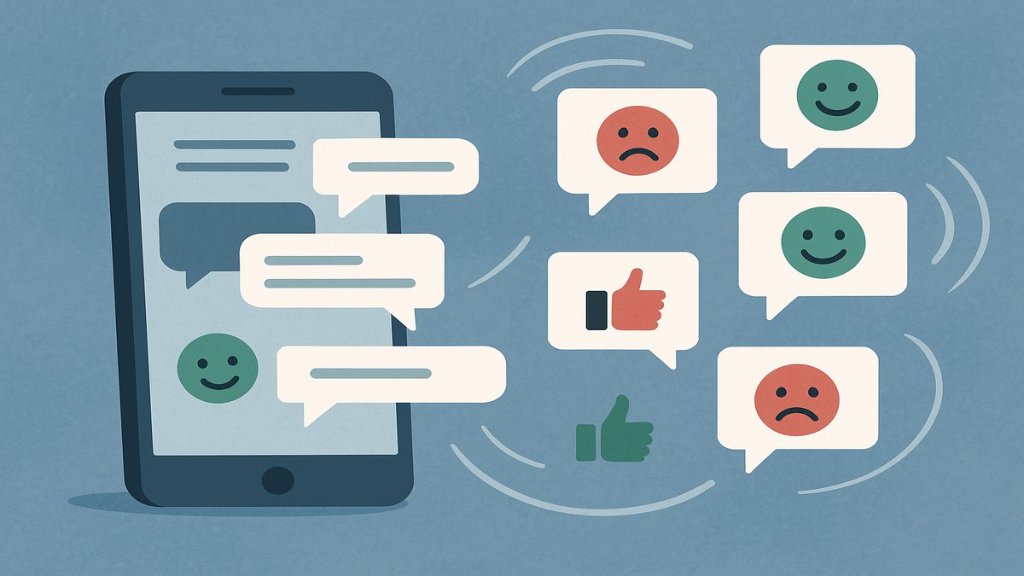
In the digital age, social media is the front door to your brand or personal presence. While it offers a unique opportunity for engagement, it also exposes you to the harsh reality of online criticism. From snarky remarks to outright trolling, negative comments are a fact of life for anyone with a public profile. Responding in the wrong way can fuel further negativity, while staying silent can sometimes be interpreted as indifference. Learning to discern which comments merit a response and which should be ignored is a vital skill for maintaining your online reputation. ## The Art of the Thoughtful Response When a comment comes from a legitimate customer or a follower expressing a genuine concern, responding is not just a choice, it is a responsibility. Acknowledging a critique shows that you are listening and that you value your audience. When crafting a response, aim to keep your tone professional, empathetic, and solution oriented. If the situation requires a more detailed explanation or sensitive information, invite the person to continue the conversation via direct message or email. This moves the issue away from the public gaze and allows you to resolve the matter with more focus. Here are a few tips for responding effectively: - Respond promptly to show you care. - Use a polite and professional tone. - Focus on solutions rather than defending your position. - Avoid getting into long public debates. - Thank the user for bringing the issue to your attention. A simple template you can adapt is as follows: Hello, we are sorry to hear that you had this experience. We would like to learn more and make things right. Please send us a direct message so our team can assist you further. ## Identifying the Online Troll There is a major difference between a dissatisfied customer and a digital troll. A troll is someone whose primary goal is to provoke, harass, or derail a conversation for their own amusement. They often use inflammatory language, logical fallacies, or personal attacks to get a reaction. When you identify a troll, the calculus for engagement changes significantly. Engaging with these users usually provides the exact attention they crave, which often encourages more abuse. In these cases, silence is not just a strategy, it is the safest course of action. Blocking or muting these users is not an act of weakness, but a commitment to maintaining a healthy environment for your genuine followers. ## Don't Take It Personally The most challenging aspect of managing social media is the emotional toll of negativity. It is easy to feel attacked when someone leaves a harsh comment, but it is important to remember that such feedback often says more about the commenter than it does about your work. Their mood, their biases, and their personal issues are factors you cannot control. Take a deep breath before you hit reply. If you find yourself feeling angry or defensive, step away from the keyboard for an hour. Your best responses are always born from a calm mind. ## Maintaining Your Boundaries Every platform should have a set of community guidelines. Whether you are an individual creator or a business owner, you have the right to define what is acceptable on your page. If you allow hate speech, spam, or harassment to go unchecked, you will eventually lose the quality of your community. Feel empowered to hide or delete comments that violate your standards. Consistency is key when enforcing these rules. When your audience sees that you maintain a professional and respectful space, they are more likely to treat you and each other with similar respect. ## Frequently Asked Questions ### Should I ever delete a negative comment? You should delete comments that contain hate speech, harassment, or spam. However, avoid deleting negative feedback from legitimate customers, as this can make you look dishonest. ### Is humor ever appropriate? Humor can defuse tension, but use it with extreme caution. What you find funny may be read as sarcasm or disrespect, which can quickly escalate a minor issue into a public relations crisis. ### How long should I wait before responding? Aim to respond within a few hours. This shows that you are active and attentive without making it seem like you are constantly watching your notifications. Following these steps helps you protect your brand and foster genuine connections online.
Related Articles
Texting Etiquette in 2025: When to Reply and When to Wait
Learn the essentials of modern texting etiquette in 2025, from knowing when to reply to mastering the art of the delayed response for better clarity.
Spam & Unknown Text Messages: Should You Reply or Ignore?
Don't let scammers get the best of you. Learn why you should ignore spam texts and the best ways to handle messages from unknown numbers.
Need Help Crafting the Perfect Reply?
Use our AI tool to analyze any message and get instant advice on whether you should reply and exactly what to say.
Try with a Sample Message