How to Gracefully Respond to Job Rejection Emails
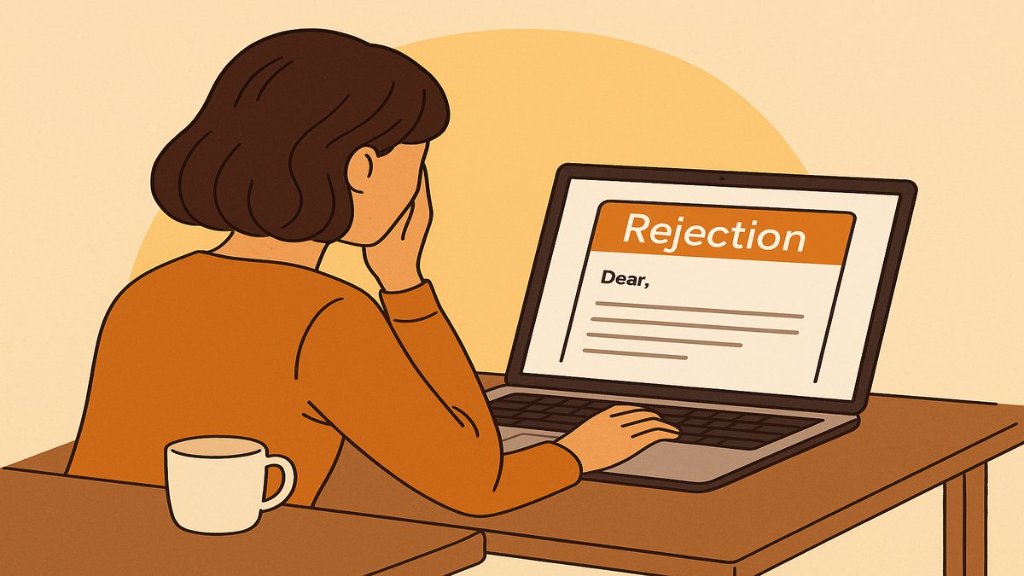
Receiving a rejection email after a grueling interview process is never easy. Your initial instinct might be to close the laptop and move on to the next application, or worse, fire off an angry response. Neither approach serves your long-term career goals. Instead, treating a rejection as a networking opportunity can differentiate you from other candidates and potentially pave the way for future roles. Responding to a job rejection with professionalism is a hallmark of a high-level candidate. It shows emotional intelligence, resilience, and a genuine interest in the organization. When you handle disappointment with poise, you leave a lasting positive impression on the hiring manager and the talent acquisition team. By keeping the lines of communication open, you transition from being a rejected candidate to a remembered professional. ## Why Responding Is a Strategic Career Move Many applicants treat the hiring process as a transactional exchange. When they do not get the job, they simply vanish. By choosing to send a thoughtful follow-up, you break that cycle. Recruiters often maintain pools of silver-medalist candidates. These are people who were strong contenders but were edged out by someone with slightly more specific experience. A polite response keeps your name at the top of their inbox for the next opening. Beyond potential re-hiring, you never know when you might cross paths with that hiring manager in a different setting. Your professional reputation is built on how you handle setbacks just as much as your successes. ## The Four Essential Pillars of a Professional Reply A strong response does not need to be long or complex. The goal is to acknowledge the decision while maintaining your dignity. Follow these four structural pillars to ensure your tone remains balanced and productive: 1. Express genuine gratitude for the time they invested in the interview process. 2. Acknowledge the news without dwelling on your frustration. 3. Reiterate your continued enthusiasm for the company mission or specific team goals. 4. Request constructive feedback in a way that respects their limited time. By asking for feedback, you demonstrate a growth mindset. Even if they do not provide specific details, the act of asking indicates that you are a serious professional who values self-improvement. ## Drafting Your Follow-Up Message When you write your response, keep it concise. Hiring managers are often busy and will appreciate a direct email that avoids unnecessary drama. Use this template as a baseline for your own communication: Dear [Hiring Manager Name], Thank you for following up with me regarding the [Job Title] position. While I am disappointed to learn that I was not selected, I truly enjoyed meeting the team and learning more about the projects currently underway at [Company]. I remain a big fan of the work you are doing in [Industry]. I would appreciate it if you could share any feedback regarding my candidacy or interview process that might help me grow as a professional. I hope to keep in touch, and I wish you and the team all the best with the new hire. Best regards, [Your Name]. This template covers all the necessary ground while remaining professional and open-ended. ## Turning Rejection into Future Success Even if the door for this specific role is closed, it might be slightly ajar for the future. In some cases, candidates who respond gracefully are invited to apply for upcoming roles before they are even posted publicly. Always send your response within 24 to 48 hours of receiving the news. This shows that you are organized and that you process information effectively. Avoid the urge to argue with their decision or try to change their minds. Rejection is rarely a personal attack; it is usually a reflection of specific technical needs or budget constraints at that moment. By respecting their process, you reinforce your maturity. ### Frequently Asked Questions ### Should I ask for feedback if the rejection came from an automated system? It is generally not effective to ask for feedback from an automated email, as these are often sent by generic addresses that are not monitored by humans. Only send a response if you were in direct contact with a recruiter or hiring manager. ### Will asking for feedback make me look desperate? Not at all. Asking for feedback, when done politely and sparingly, signals that you are committed to your professional development and value their expert opinion on your interview performance. ### How long should I wait before following up again? If you have sent a polite response to a rejection and received no reply, do not send a follow-up email. It is perfectly acceptable to check in again in three to six months if you see a new role that fits your profile, but constant badgering will work against your brand.
Related Articles

Texting Etiquette in 2025: When to Reply and When to Wait
Learn the essentials of modern texting etiquette in 2025, from knowing when to reply to mastering the art of the delayed response for better clarity.

Spam & Unknown Text Messages: Should You Reply or Ignore?
Don't let scammers get the best of you. Learn why you should ignore spam texts and the best ways to handle messages from unknown numbers.
Need Help Crafting the Perfect Reply?
Use our AI tool to analyze any message and get instant advice on whether you should reply and exactly what to say.
Try with a Sample Message