January 6, 2025
4 min read
Group Text Etiquette: Should You Reply or Start a New Thread?
Share:
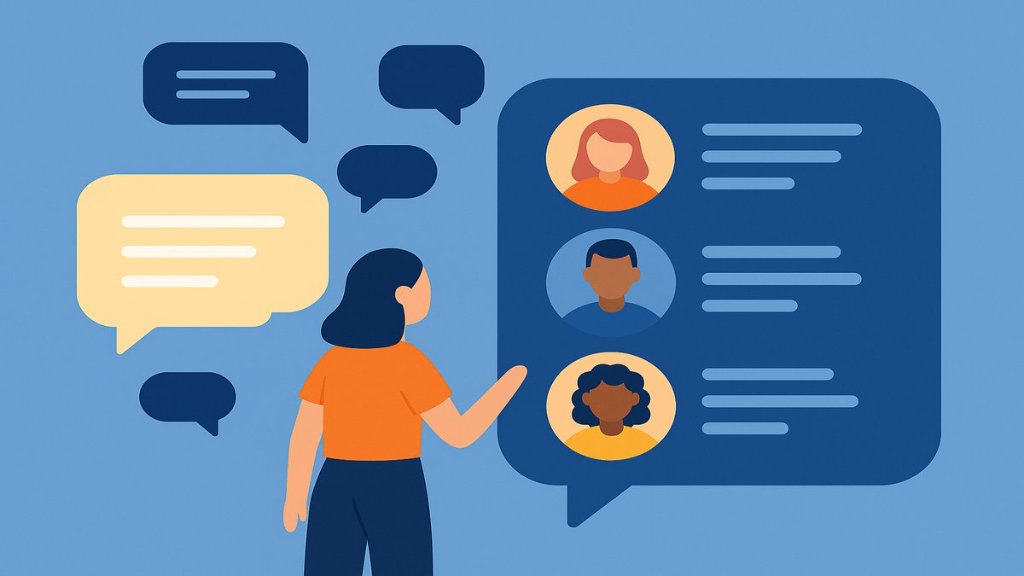
Group Text Etiquette: Mastering Digital Communication and Boundaries Group text messages are a vital tool for modern coordination. Whether you are organizing a dinner party or collaborating on a work project, group chats keep everyone on the same page. However, without proper rules, these threads can spiral into digital clutter. Following basic etiquette ensures your communication remains respectful, efficient, and welcome. ## Obtain Consent Before Adding Participants Including someone in a group chat without their permission is a breach of digital privacy. A group chat creates a persistent notification loop for everyone involved. Before you click add, send a quick individual text asking if they would like to be included in the group thread. If they decline, respect their choice and update them individually. When starting a group, always include a brief message stating the purpose of the thread so participants understand why they have been added. ## Mastering Tone and Emotional Clarity in Digital Spaces Text-based communication lacks the nuance of body language and vocal inflection, which often leads to unintended misunderstandings. When sending messages, prioritize clarity over brevity if the subject matter involves sensitive logistics or potential conflicts. Always assume positive intent from others, but be explicit in your own wording to avoid ambiguity. If a discussion becomes emotionally charged, pause before responding. A well-placed emoji can sometimes soften a stern instruction, but rely primarily on clear, constructive language. Remember that your digital footprint within a group chat is permanent for all recipients. By maintaining a professional and considerate tone, you foster a sense of psychological safety that allows all participants to contribute without fear of judgment. If you find your own tone becoming frustrated, it is always better to wait an hour before replying, ensuring that your contribution remains additive rather than destructive to the overall group dynamic and cohesion. ## Keep the Conversation Focused Maintaining a clean thread is essential for group sanity. If a question is asked in the group, reply within that same thread. This keeps the information centralized. Avoid splitting conversations into private messages with only a few people if the broader group needs the context. This creates fragmented information and causes confusion. If the topic shifts to something irrelevant to the group, start a separate thread or move the conversation to an individual message. ## Managing the Psychology of Availability and Response Expectations Constant connectivity is the modern burden of digital communication. Establishing clear expectations regarding response times is a critical component of healthy group etiquette. Do not assume that because a message has been read, it requires an immediate answer. Respect that everyone has different workflows, professional obligations, and personal lives that take precedence over the notification ping. If you are the group leader, explicitly state the expected cadence for responses, such as asking for a confirmation by the end of the day or simply noting that immediate input is not required. Conversely, if you are a participant, be mindful of how your responsiveness affects the group flow. A simple thumbs-up or acknowledgment can suffice to signal that you have received the information, preventing the need for the sender to follow up. By de-escalating the urgency of every message, you reduce collective anxiety and encourage a more sustainable form of interaction that values quality contributions over rapid, reflexive ones. ## Practical Rules for Group Communication To keep your group chats healthy, follow these essential guidelines: - Keep the notification volume manageable by muting threads that are currently inactive. - Avoid sending images or videos that are not relevant to the collective goal. - Use clear and concise language to minimize scrolling. - Avoid late night or early morning messages unless the situation is an emergency. - Use emojis sparingly to avoid flooding the feed. If you need to pivot a conversation, try using a template like this: Hey everyone, I want to keep this thread focused on the planning for Saturday. I am going to move our side conversation about the restaurant location to a new thread with those involved to keep things tidy. [Example: Hey everyone, I am finalizing the budget for our trip today. Please drop your flight costs here by 5:00 PM today so I can send the invoice. This works because it provides a clear deadline and a specific action item, reducing follow-up questions.] ## Know When to Leave or Pivot If you find yourself in a thread that no longer pertains to you, it is perfectly acceptable to leave the conversation. Most modern messaging platforms allow users to exit without fanfare. If you are the organizer, acknowledge when a topic has run its course. For complex discussions that require more than five back and forth messages, suggest a quick phone call or a video meeting. Texting is excellent for logistics, but it is a poor medium for conflict resolution or complex brainstorming. ## Frequently Asked Questions ### Is it rude to leave a group chat? It is not rude to leave a group chat if the topic no longer concerns you. It is often better to leave than to remain a silent participant who clutters the feed. ### How do I handle someone who spams the group? If someone is consistently posting irrelevant content, send them a polite private message. Ask them to limit their contributions to the main topic of the group. ### What should I do if a group thread becomes toxic? If the conversation becomes heated or disrespectful, step away from the phone. Engage in the conversation later once emotions have cooled or suggest moving to a different medium. ### How do I stop a group chat from becoming an endless distraction? If a group chat is constantly active with non-essential chatter, suggest moving the social elements to a separate, optional thread so that the primary group remains focused on the original project goals.
Share this article:
Related Articles
Jan 15, 2025
Texting Etiquette in 2025: When to Reply and When to Wait
Learn the essentials of modern texting etiquette in 2025, from knowing when to reply to mastering the art of the delayed response for better clarity.
5 min read
Jan 14, 2025
Spam & Unknown Text Messages: Should You Reply or Ignore?
Don't let scammers get the best of you. Learn why you should ignore spam texts and the best ways to handle messages from unknown numbers.
6 min read
Need Help Crafting the Perfect Reply?
Use our AI tool to analyze any message and get instant advice on whether you should reply and exactly what to say.
Try with a Sample Message